Study in Germany for Indian Students
Study at leading institutions known for academic excellence, particularly in engineering, technology, and science.
Benefit from low tuition fees and a world-class education system.
Explore cutting-edge research opportunities and prepare for successful careers in a global market.
Highlights
Here are the key details related to studying in Ireland
75%
Visa Approval Rate
43K+
Indian Students in Ireland
400+
Total Institutions
Winter Intake (October)
Most Preferred Intake
6.0
Minimum IELTS Score
80
Minimum TOEFL (iBT) Score
INR 10K-15/20L (Public-Private)
Approximate Annual Study Cost
INR 1 lakh - 1.2 lakhs
Approximate Monthly Cost of Living

Unlike many other countries, public universities in Germany typically charge no tuition fees or very low tution for international students.
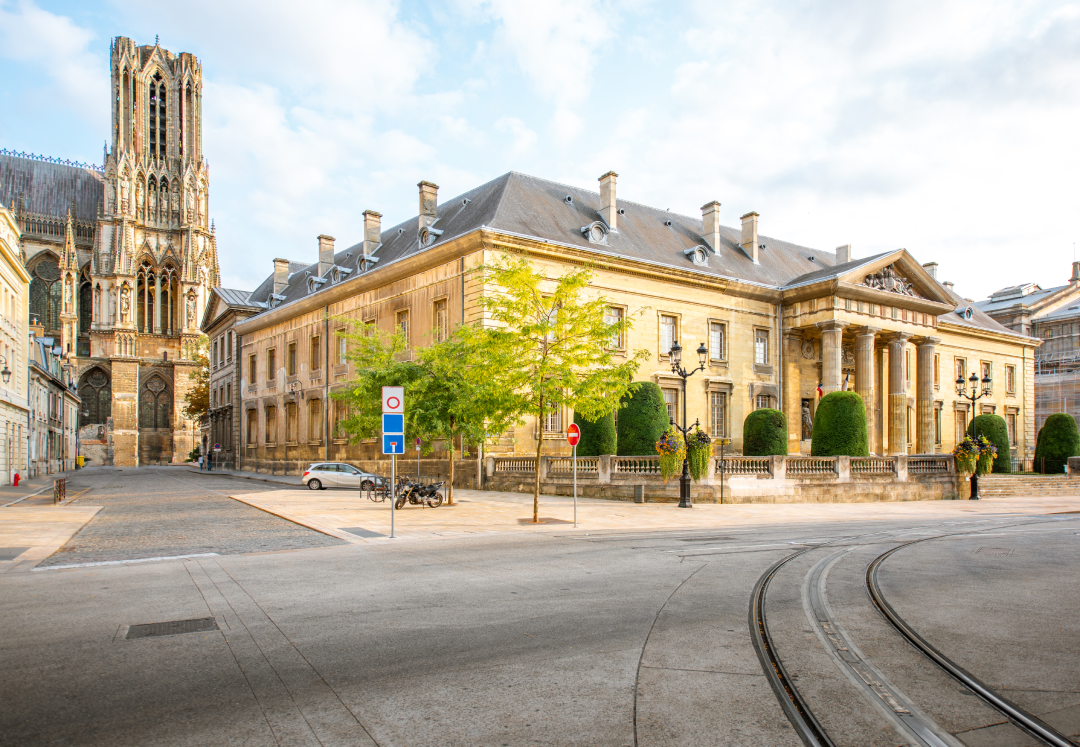
German universities are renowned for their academic rigour and excellence. Institutions like Heidelberg University consistently rank among the top universities worldwide.

Several scholarship and funding opportunities are available to help international students offset living expenses and even some Programmes costs.
Why IELTS is Important
Crack the IELTS for Studying in Germany
While many programs in Germany are offered in English, universities often require an IELTS (International English Language Testing System) score to assess your proficiency in the language. This is especially important for international students enrolling in English-taught Programmes.
Many German universities accept IELTS scores as proof of English proficiency.
The IELTS test evaluates your listening, reading, writing, and speaking skills—key for academic success.
German universities typically require an IELTS score of 6.0 to 6.5, depending on the Programme and university.
Personalized coaching to help you meet the required score.
Regular practice exams to familiarize yourself with the test format and improve your confidence.
Learn from certified trainers who offer valuable tips to boost your performance.
Ireland Application
Application Process for Studying in Germany

Variety of courses available in Germany
Bachelor's Degrees
3-4 years
Master's Degrees
1 - 2 years
PhD Programmes
3-4 years
Diplomas or Advanced Diplomas
1 - 3 years
Certificate Programs
1 year
Academic Calendar to study in Germany
Autumn Term (October - February)
Typically runs from early October to mid-February. Classes start in October and end in mid-February, with exams usually occurring in January and February.
Winter Break (December - January)
A two to three-week break from late December to early January. This period usually includes the Christmas and New Year holidays.
Spring Term (April - July)
Begins in early April and ends in mid-July. This term includes lectures, seminars, and examinations, with a focus on the completion of coursework.
Easter Break (March - April)
A shorter intermission, the Easter Break typically occurs in late March or early April, allowing for a brief rejuvenation before the academic rigours resume.
Summer Term (August - September)
Runs from early August to the end of September. It is often used for summer sessions, internships, or catching up on coursework, with exams typically taking place in September.